What are Network Analyses?
Aug 26, 2025
Summary:
Network Analyses are the study of movement and connectivity over a system of interconnected lines (a “network”).
Think of it as analyzing how things move along roads, pipelines, rivers, or any other connected paths rather than just “as the crow flies" (a straight line that ignores real world barriers to travel).
Learn more:
When you open a navigation app to get the fastest route to work, or when a delivery company figures out the most efficient path to your doorstep, you’re seeing network analysis in action.
In the world of GIS (Geographic Information Systems), network analysis is all about understanding and optimizing movement across connected systems, like roads, railways, pipelines, or even rivers. It’s a critical tool that helps industries, governments, and individuals make smarter decisions every day.
Network analyses brings order to complexity. Modern life depends on systems that are interconnected—transportation grids, communication lines, pipelines, and more. By using GIS and network modeling, organizations can:
Save time and money
Improve safety and disaster response
Reduce environmental impact
Plan smarter and more efficiently
In a world that’s becoming more connected every day, network analysis is not just a technical tool, it’s a strategic advantage.
Whether it’s guiding autonomous vehicles, managing smart cities, or tracking how resources flow across continents, network analyses are guiding us as we navigate and optimize our world. For anyone working in logistics, planning, or infrastructure, understanding network analyses isn’t optional, it’s essential. Regardless of the industry, network analyses can provide a competitive-edge in a saturated market.
Next time your GPS reroutes you around traffic, remember: behind the scenes, a network analysis is quietly solving complex problems to make life a little smoother.
Key concept:
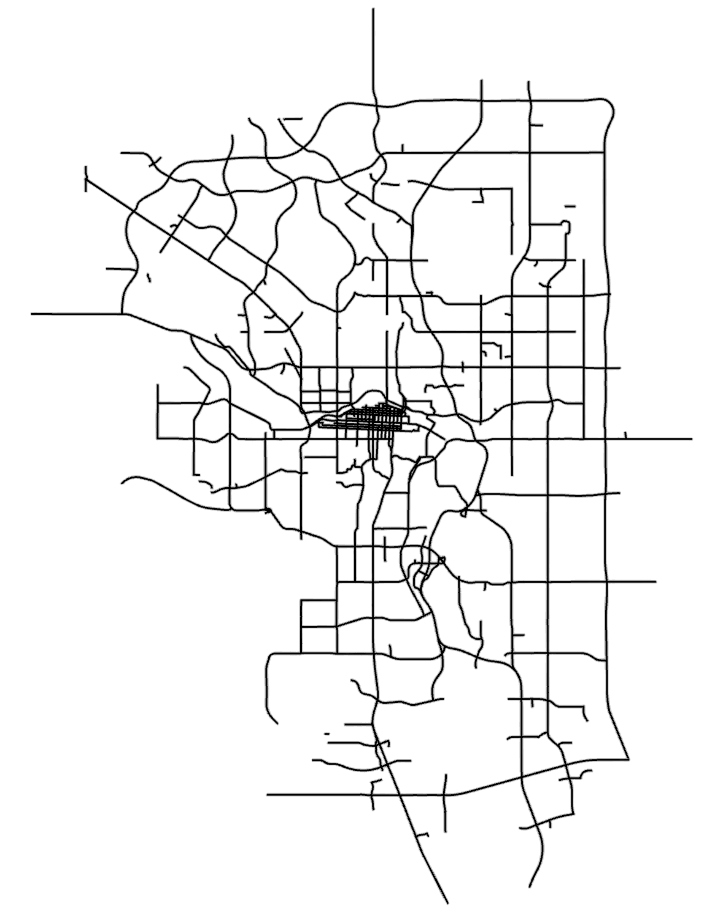
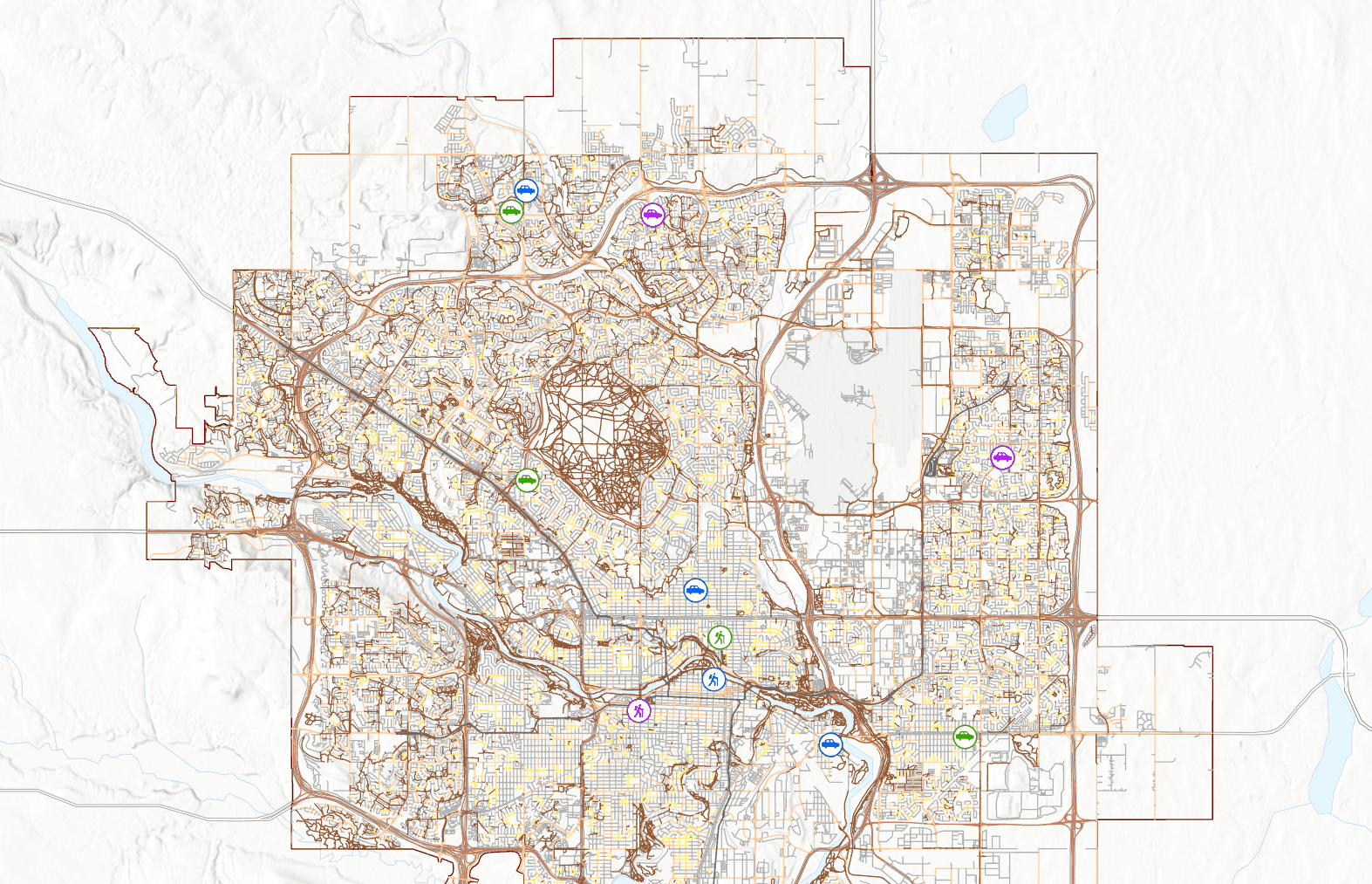
A network is made up of edges (lines, like streets or pipes) and nodes (intersections, endpoints, or stops).
Network analyses apply rules (speed limits, travel time, restrictions, etc) to find optimal paths or patterns.
When combined with demographic data, network analyses are a powerful tool to find trends and solutions to problems that would otherwise not have a clear "path" forward.
Common types of network analysis:
Shortest Path: Finds the quickest or shortest route between locations.
Service Area: Shows areas reachable within a certain time or distance.
Closest Facility: Finds the nearest facility or resource.
Vehicle Routing: Optimizes delivery or pickup routes for fleets.
Flow Analysis: Analyzes movement through a network.
Location-Allocation: Finds best locations for facilities to serve demand.